 Merken
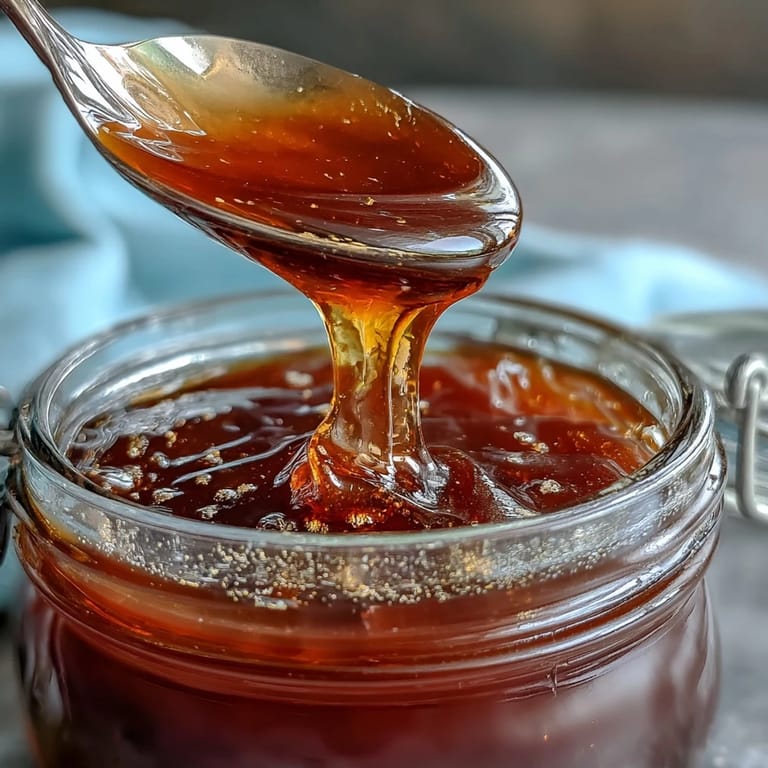
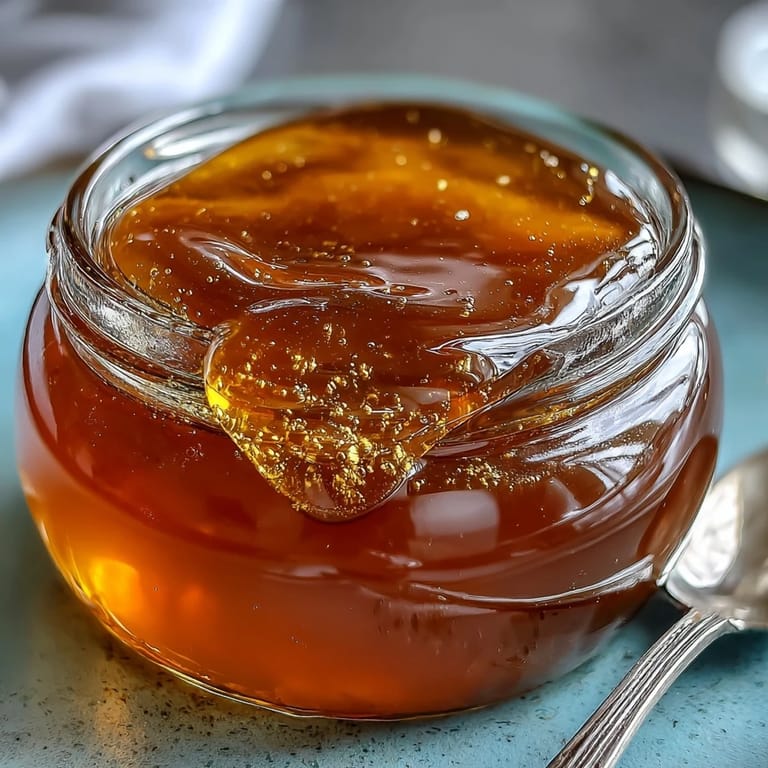
 There's something magical about turning bright yellow dandelion blossoms into a delicate, golden jelly that tastes like bottled sunshine. This foraged treasure captures the essence of spring in every spoonful, transforming a humble wildflower into a floral preserve with notes of honey and subtle earthiness. Whether you're new to foraging or a seasoned wild food enthusiast, dandelion jelly is a beautiful way to celebrate the season and create something truly special from nature's bounty.
Merken The key to perfect dandelion jelly lies in careful foraging and preparation. Choose dandelions from pesticide-free areas away from roads and treated lawns. Early morning is the best time to harvest, when the blooms are fully open and at their most fragrant. You'll need to remove all the green parts, as these contain bitter compounds that would overpower the delicate floral notes. The resulting infusion creates a light, honey-colored liquid that sets into a translucent jelly with incredible clarity.
Ingredients
Tired of Takeout? 🥡
Get 10 meals you can make faster than delivery arrives. Seriously.
One email. No spam. Unsubscribe anytime.
- Dandelion Infusion: 2 cups dandelion petals (yellow parts only, tightly packed, pesticide-free), 4 cups water
- Jelly Base: 2 tablespoons lemon juice (freshly squeezed), 1 package (1.75 oz / 49 g) powdered fruit pectin, 4 cups granulated sugar
Instructions
- Step 1: Prepare the Petals
- Prepare the dandelion petals by removing all green parts (sepals and stems), as they can be bitter. Rinse petals gently to remove insects or debris.
- Step 2: Create the Infusion
- In a saucepan, combine petals and water. Bring to a boil, then simmer for 5 minutes. Remove from heat, cover, and let steep for 4 hours (or overnight for a stronger flavor).
- Step 3: Strain
- Strain the liquid through a fine mesh sieve or cheesecloth, pressing gently to extract as much as possible. Discard petals. You should have about 3½–4 cups of dandelion infusion.
- Step 4: Begin Jelly
- Pour the dandelion infusion into a large pot. Add lemon juice and pectin. Stir well and bring to a rolling boil over high heat.
- Step 5: Add Sugar
- Add sugar all at once, stirring constantly. Return to a rolling boil and boil hard for 1–2 minutes, or until the jelly reaches setting point (220°F / 104°C).
- Step 6: Remove Foam
- Remove from heat. Skim off any foam.
- Step 7: Can the Jelly
- Ladle hot jelly into sterilized jars, leaving ¼-inch headspace. Wipe rims, seal with lids, and process in a boiling water bath for 10 minutes.
- Step 8: Cool and Store
- Let jars cool undisturbed for 12 hours. Check seals before storing.
Zusatztipps für die Zubereitung
The steeping time is flexible and can dramatically affect the flavor intensity. A 4-hour steep yields a mild, delicate jelly, while an overnight infusion creates a more robust, honeyed flavor. Use a candy thermometer to accurately gauge the setting point at 220°F (104°C), or test by placing a small amount on a chilled plate—it should wrinkle when pushed with your finger. Always work quickly once the jelly reaches temperature, as it begins to set rapidly. Sterilize jars and lids properly by boiling for 10 minutes to ensure safe preservation and extended shelf life.
Varianten und Anpassungen
For a citrusy twist, add orange zest with the lemon juice to create a bright, aromatic variation. If you prefer a less sweet jelly, reduce sugar slightly and use low-sugar pectin designed for reduced-sugar recipes. Experiment by adding a few sprigs of fresh herbs like lavender or mint during the steeping process for additional floral complexity. Some foragers like to combine dandelion with violet blossoms for a multi-floral jelly with deeper color and more nuanced flavor. You can also infuse the mixture with a cinnamon stick or vanilla bean for warmth and depth.
Serviervorschläge
The jelly is excellent on toast, pancakes, or as a glaze for cakes. Spread it generously on warm scones or English muffins for a spring-inspired breakfast. Pair it with soft cheeses like brie or goat cheese on a charcuterie board for an elegant appetizer. Stir a spoonful into hot tea for natural sweetness with floral notes, or use it to glaze roasted carrots or chicken for a unique savory-sweet dimension. It also makes a beautiful filling for thumbprint cookies or as a layer in Victoria sponge cake.
 Merken
 Dandelion jelly is more than just a preserve—it's a connection to the natural world and a celebration of seasonal abundance. Each jar holds the warmth of spring sunshine and the satisfaction of creating something from scratch using ingredients that grow freely all around us. Whether you're spreading it on your morning toast or gifting it to someone special, this golden jelly reminds us that the most extraordinary flavors often come from the most unexpected places. So grab a basket, head outside, and start gathering those sunny yellow blooms. Your pantry will thank you.
Rezept-Fragen & Antworten
- → Wie entfernt man Bitterstoffe aus den Blüten?
Alle grünen Teile wie Kelchblätter und Stiele sollten sorgfältig entfernt werden, da diese Bitterstoffe enthalten könnten.
- → Wie lange sollte die Infusion ziehen?
Die Blüten werden nach kurzem Aufkochen mindestens 4 Stunden, idealerweise über Nacht, ziehen gelassen, um den vollen Geschmack zu entfalten.
- → Kann man den Zuckeranteil reduzieren?
Ja, der Zucker kann leicht verringert und stattdessen ein Pektin für niedrigen Zuckergehalt verwendet werden, um die Süße anzupassen.
- → Wie wird die Gelée haltbar gemacht?
Die heiße Gelée wird in sterilisierte Gläser gefüllt und in einem kochenden Wasserbad 10 Minuten verarbeitet, um eine sichere Konservierung zu gewährleisten.
- → Welche Gerichte passen besonders zu diesem Aufstrich?
Der florale Aufstrich passt wunderbar zu frischem Brot, Scones, Pfannkuchen oder als besonderer Akzent zu Käsevariationen.
- → Sind Löwenzahnblüten immer essbar?
Nur Blüten von unbehandelten, sauberen Standorten sollten verwendet werden, um Schadstoffbelastungen zu vermeiden.